Home Health Care Tips for Seniors and Disabled Individuals
- Tnoila McCoy
- Jun 30
- 3 min read

As we age or face disabilities, maintaining independence and quality of life becomes increasingly important. Home health care can provide the necessary support to ensure that seniors and disabled individuals can live comfortably and safely in their own homes. This blog post will explore practical tips for home health care, focusing on creating a supportive environment, managing health needs, and enhancing overall well-being.
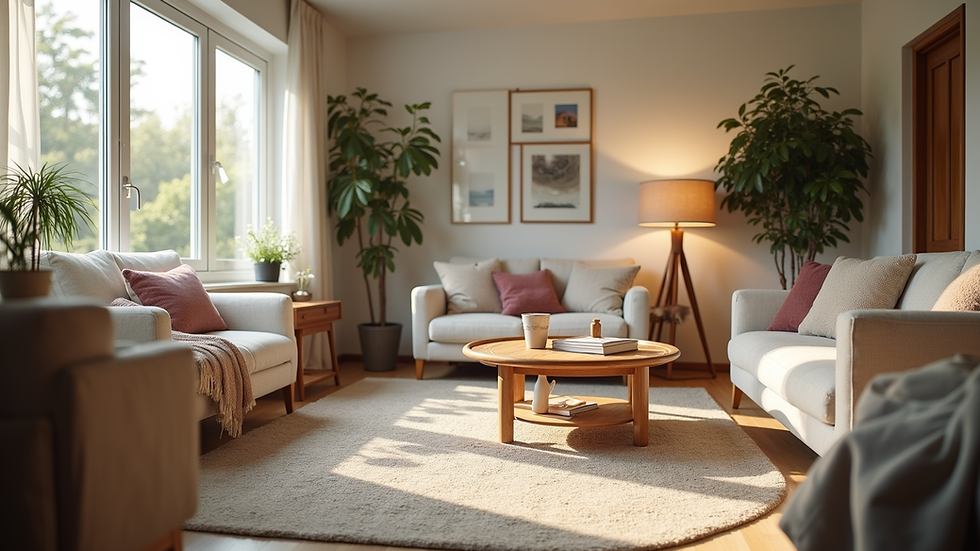
Creating a Safe and Comfortable Environment
A safe home environment is crucial for seniors and disabled individuals. Here are some tips to enhance safety and comfort:
1. Assess Home Safety
Conduct a thorough assessment of the home to identify potential hazards. Consider the following:
Remove Clutter: Keep walkways clear to prevent tripping.
Install Handrails: Place handrails in hallways and bathrooms for added support.
Improve Lighting: Ensure all areas are well-lit, especially staircases and entryways.
2. Modify Living Spaces
Making modifications can significantly improve safety and accessibility:
Bathroom Modifications: Install grab bars, non-slip mats, and a shower chair to make bathing safer.
Kitchen Adjustments: Use easy-to-reach cabinets and consider a pull-out shelf for frequently used items.
Furniture Arrangement: Arrange furniture to allow for easy navigation with mobility aids.
3. Use Assistive Devices
Incorporating assistive devices can enhance independence:
Mobility Aids: Walkers, canes, and wheelchairs can help with mobility.
Adaptive Tools: Use utensils with larger grips or reachers to assist with daily tasks.
Managing Health Needs
Effective health management is essential for seniors and disabled individuals. Here are some strategies to consider:
1. Regular Health Check-ups
Encourage regular visits to healthcare providers to monitor health conditions. This includes:
Routine Screenings: Regular screenings for blood pressure, cholesterol, and diabetes.
Medication Management: Keep an updated list of medications and ensure they are taken as prescribed.
2. Nutrition and Meal Planning
Proper nutrition plays a vital role in health. Consider these tips:
Balanced Diet: Focus on a diet rich in fruits, vegetables, whole grains, and lean proteins.
Meal Preparation: Prepare meals in advance to ensure healthy options are always available.
3. Physical Activity
Encouraging physical activity can improve overall health:
Gentle Exercises: Activities like walking, stretching, or chair yoga can enhance mobility and strength.
Social Engagement: Join community classes or groups to stay active and socially connected.
Enhancing Overall Well-being
Beyond physical health, emotional and mental well-being is equally important. Here are some ways to enhance overall well-being:
1. Foster Social Connections
Maintaining social connections can combat loneliness and depression:
Regular Visits: Schedule regular visits from family and friends.
Community Involvement: Participate in local events or volunteer opportunities.
2. Mental Stimulation
Keeping the mind active is crucial for cognitive health:
Puzzles and Games: Engage in puzzles, card games, or board games to stimulate the brain.
Reading and Learning: Encourage reading books or taking online courses to learn new skills.
3. Emotional Support
Providing emotional support can significantly impact mental health:
Open Communication: Encourage open discussions about feelings and concerns.
Professional Help: Consider therapy or counseling if needed.
Conclusion
Home health care for seniors and disabled individuals is about creating a supportive environment, managing health needs effectively, and enhancing overall well-being. By implementing these tips, caregivers and family members can help ensure that their loved ones maintain independence and enjoy a high quality of life. Remember, small changes can make a big difference in creating a nurturing home environment. Take the first step today by assessing your home and making necessary adjustments for a safer, more comfortable living space.


Comments